The Thrill of Risk and Reward
The primary appeal of casino games lies in the thrill that comes from taking risks. Players enter a world where fortunes can change in an instant; this unpredictability activates dopamine release in the brain, which is associated with pleasure and reward. When someone wins a game, whether it’s a slot machine or a card game, the rush of excitement reinforces their behavior, encouraging more play. Additionally, those interested in the latest trends often explore online betting australia offerings, which adds another layer of excitement to their gambling experiences. This cycle of risk-taking and reward can be addictive, as players continually seek that high from gambling.
Moreover, the various games available at casinos are designed to cater to this psychological phenomenon. Each game offers a unique set of odds and payouts, creating a spectrum of risk. The more a player understands the mechanisms and strategies behind a game, the more they feel in control, which can further enhance the desire to engage and keep playing. This illusion of control over random events is a powerful psychological driver.
This interplay between risk and reward is not merely confined to gambling; it mirrors life’s inherent uncertainties. Just as individuals take risks in their personal and professional lives for potential gains, casino games provide a structured, albeit risky, opportunity to experience this cycle. Understanding this theme can shed light on why people are drawn back to casinos time and again, often despite previous losses. The allure of potentially changing one’s fortunes with a single bet creates a compelling reason for players to return.
The Role of Environment in Gambling Behavior
The environment within a casino is meticulously crafted to enhance the gaming experience and influence player behavior. Bright lights, loud sounds, and the presence of other players create an atmosphere charged with excitement. This sensory overload is intentionally designed to stimulate the brain’s reward system, making it more likely for individuals to stay and play longer. This immersive environment can also diminish a player’s perception of time, causing them to lose track of how long they’ve been gambling.
Additionally, the layout of a casino encourages exploration and participation. Games are strategically placed to create a flow that guides players through the space, slowly drawing them into various games. The absence of clocks and windows serves to further disconnect players from reality and time, allowing them to focus solely on the games at hand. This intentional design fosters longer gameplay, sometimes leading to unintended consequences, such as unplanned financial expenditure.

Research has shown that when players are surrounded by bright colors and engaging sounds, their likelihood of gambling increases. This design psychology plays a critical role in shaping player behavior, encouraging them to engage more deeply with the available games. By creating an environment that maximizes excitement and minimizes distractions, casinos capitalize on psychological triggers that keep players captivated. Understanding how the physical space is structured can provide insights into why certain individuals may find it difficult to leave the casino premises.
The Psychology of Loss Aversion in Gambling
Loss aversion is a well-documented psychological principle, describing how individuals disproportionately prefer to avoid losses rather than acquire equivalent gains. In the context of gambling, this manifests as players being more affected by their losses than by their wins. As a result, gamblers often chase losses, continuing to play in hopes of recuperating what they have lost. This behavior can lead to prolonged gambling sessions and greater financial risk, as the emotional pain of losing overshadows the pleasure of winning.
This psychological tendency is compounded by the structure of many casino games. For instance, slot machines are designed to offer intermittent wins, which can create the illusion of nearly winning. These experiences can further reinforce the urge to keep playing, despite losses. The brain’s response to these near misses activates the reward pathways, leading players to believe that persistence will eventually lead them to success. This can create a dangerous cycle where players invest more time and money, hoping for a turnaround.
Furthermore, players may develop a belief in “winning streaks” or “hot hands,” where they feel that their luck may be about to change after experiencing a string of losses. This irrational belief can lead to a cycle of increased betting and gambling, as players ignore the statistical realities of the games they play. Understanding loss aversion sheds light on the psychological traps in which many gamblers find themselves, underscoring the challenges of responsible gambling behaviors. Recognizing these patterns can aid individuals in making more rational decisions about their gambling habits.
The Influence of Social Interaction in Gambling Settings
Social interaction is another crucial factor influencing behavior in casino games. Whether players are participating in table games or socializing near slot machines, the presence of others enhances the overall experience. Social bonding can create a sense of camaraderie, making gambling more enjoyable and reinforcing the urge to continue playing. Conversations about strategies, shared experiences of wins and losses, and encouragement from friends can all amplify the thrill of gambling.
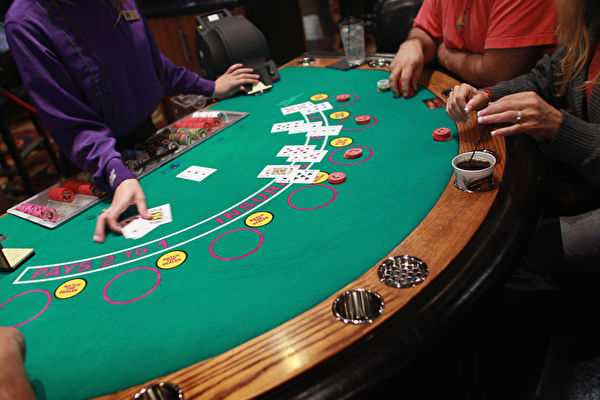
The peer pressure experienced in such environments can lead to increased betting behavior. Individuals may feel compelled to bet more or engage in riskier games when influenced by friends or fellow gamblers. This social aspect can create a feedback loop where excitement escalates, encouraging players to stay engaged longer. Moreover, the shared experience of winning can heighten emotions, leading to heightened enjoyment and further participation. The communal aspect of gambling often transforms it into a social event, further fueling the desire to play.
Additionally, the rise of online casinos has transformed social interactions in gambling. With features like live dealer games and chat functions, players can engage with others in real-time regardless of their physical location. This virtual socialization creates a new layer of psychological engagement, drawing players into the experience while reinforcing their attachment to the games. Understanding the dynamics of social interactions in gambling can help explain why players are often drawn to casinos or online platforms, as they seek both entertainment and connection. This blending of social and gaming experiences illustrates the multifaceted appeal of gambling.
Understanding Responsible Gaming Through Psychology
In light of the psychological factors at play within casino games, understanding responsible gaming becomes essential. The insights into risk-taking, environment, loss aversion, and social interaction can inform strategies for healthier gambling practices. Being aware of these psychological triggers can help players make more informed decisions and recognize when they may be crossing the line into unhealthy gambling behaviors. Emphasizing self-awareness is crucial to maintaining a balanced approach to gambling.
Educational initiatives promoting responsible gaming often focus on increasing awareness of these psychological aspects. By providing players with information about the risks associated with gambling and the psychological mechanisms at work, organizations can help individuals develop strategies to manage their gaming habits more effectively. This may include setting limits before gambling, taking regular breaks, and being vigilant about emotional states while playing. Encouraging a proactive approach can significantly contribute to healthier gaming behaviors.
Furthermore, fostering a culture of open dialogue around gambling can empower individuals to seek help when needed. By normalizing discussions about the psychological impacts of gambling, individuals may feel more comfortable addressing their experiences, leading to healthier choices and greater awareness of their gaming behaviors. Understanding the psychological landscape of casino games not only enriches the individual gaming experience but can also contribute to broader efforts in promoting responsible gambling practices. Creating a supportive community can further enhance the efforts to mitigate the risks associated with gambling.